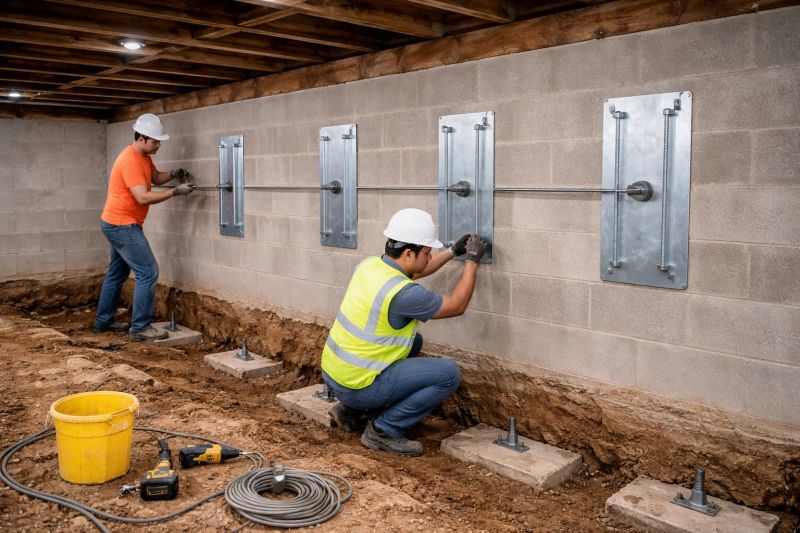
Basement Stabilization in Tampa, FL
Basement stabilization services are designed to address issues related to shifting, settling, or uneven foundations in residential properties. These services typically involve techniques such as underpinning, wall anchors, or pier systems to reinforce the structure and prevent further movement. Homeowners often request basement stabilization when experiencing cracks in basement walls, uneven flooring, or water intrusion caused by shifting soil or foundation settling. Understanding the specific causes of foundation movement and the types of stabilization solutions available can help property owners make informed decisions about maintaining the safety and integrity of their homes.
Before requesting basement stabilization, property owners should consider the extent of the foundation movement, the age and condition of the existing structure, and any signs of ongoing settling or damage. It is also useful to evaluate the history of soil conditions and drainage around the property. Clear communication of these details can assist in determining the most appropriate stabilization method. Proper assessment and planning are essential to ensure that the chosen solution effectively addresses current issues and mitigates future risks to the foundation and overall property stability.
Many property owners in Tampa, FL look into Basement Stabilization for repairs, replacements, upgrades, and appearance-related improvements.
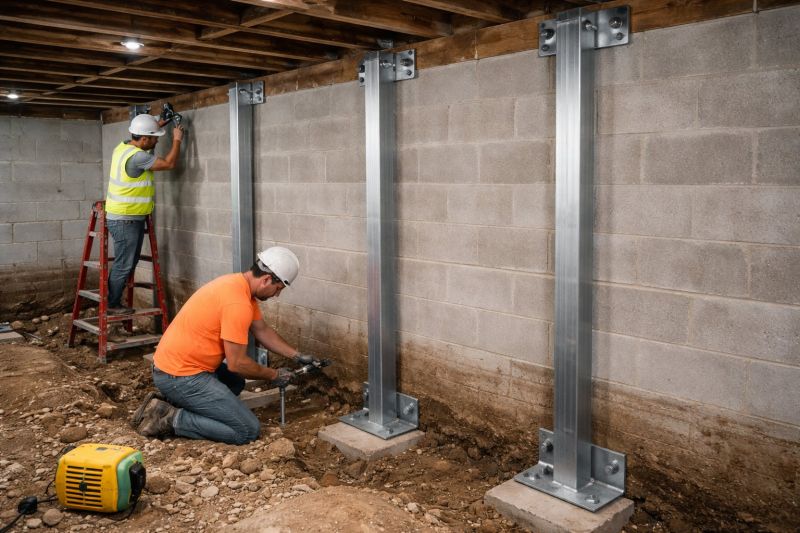
Foundation Support Solutions
Basement stabilization helps prevent further settling and structural issues in tampa homes.
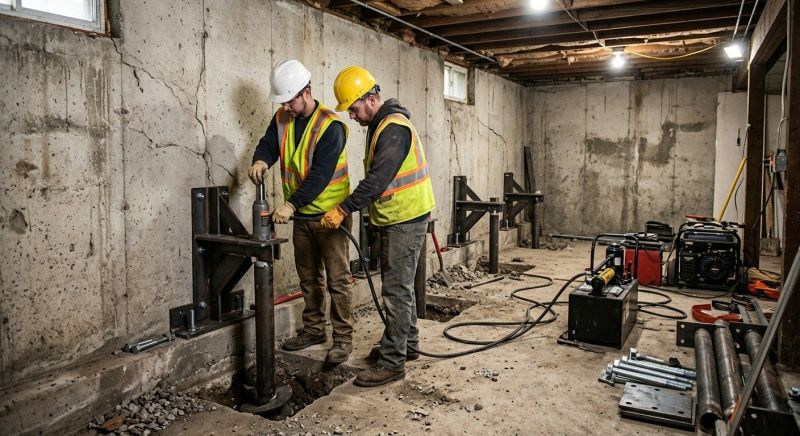
Soil And Drainage Management
Proper stabilization techniques address soil movement and water drainage problems affecting basements.
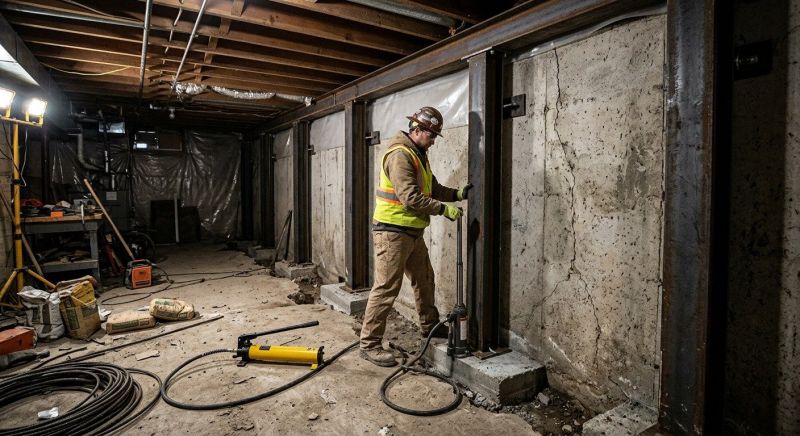
Long-Term Stability Benefits
Implementing basement stabilization can enhance safety and preserve property value over time.
Basement Stabilization in Tampa, FL
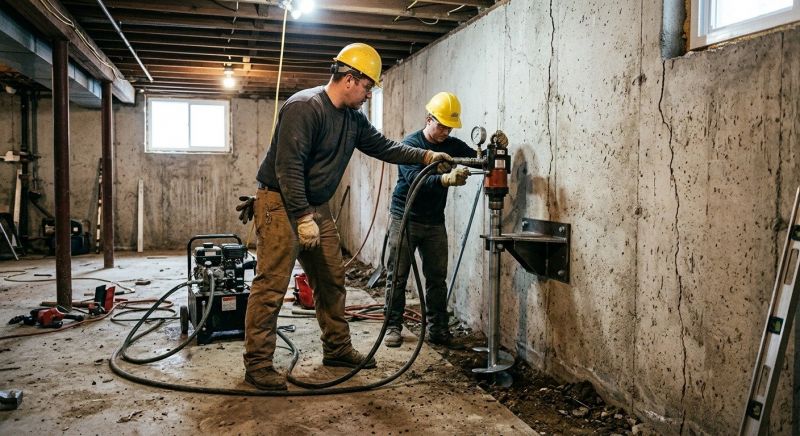
Basement stabilization services are designed to address issues related to shifting, settling, or uneven foundations in residential properties. These services typically involve techniques such as underpinning, wall anchors, or pier systems to reinforce the structure and prevent further movement. Homeowners often request basement stabilization when experiencing cracks in basement walls, uneven flooring, or water intrusion caused by shifting soil or foundation settling. Understanding the specific causes of foundation movement and the types of stabilization solutions available can help property owners make informed decisions about maintaining the safety and integrity of their homes.
Before requesting basement stabilization, property owners should consider the extent of the foundation movement, the age and condition of the existing structure, and any signs of ongoing settling or damage. It is also useful to evaluate the history of soil conditions and drainage around the property. Clear communication of these details can assist in determining the most appropriate stabilization method. Proper assessment and planning are essential to ensure that the chosen solution effectively addresses current issues and mitigates future risks to the foundation and overall property stability.
Many property owners in Tampa, FL look into Basement Stabilization for repairs, replacements, upgrades, and appearance-related improvements.
Common Basement Stabilization Jobs
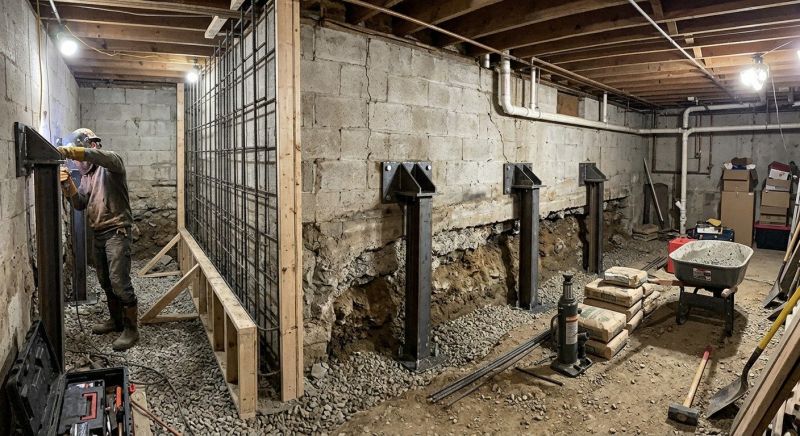
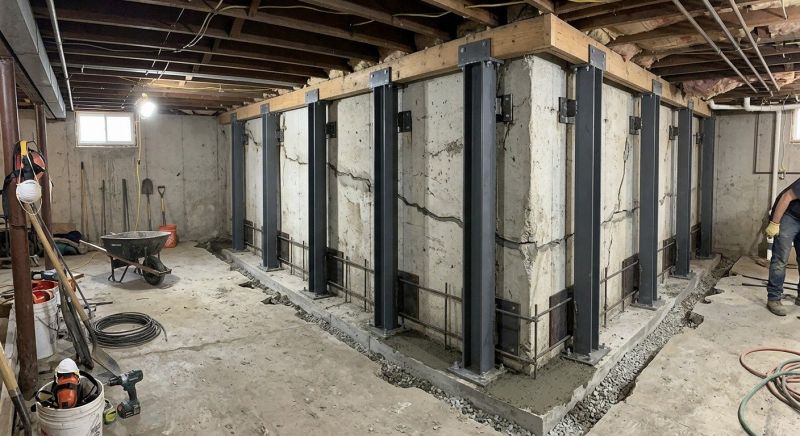
Basement wall stabilization - reinforces weakened walls to prevent further cracking and shifting.
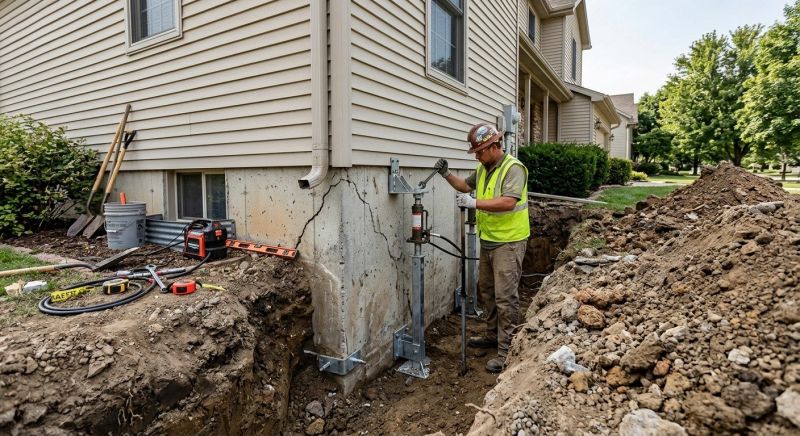
Foundation underpinning - strengthens the foundation to improve stability and support.
Mudjacking and slab leveling - lifts and levels uneven basement floors caused by settling.
Pier and beam stabilization - secures and stabilizes piers to prevent basement settling issues.
Soil stabilization - improves soil conditions around the foundation to reduce shifting.
Waterproofing and drainage solutions - prevents water intrusion that can compromise basement stability.
Basement Stabilization Questions
What causes basement instability? Soil shifting, water intrusion, and poor drainage can lead to basement settling or cracking.
How can basement stabilization improve a property? It helps prevent further damage, maintains structural integrity, and supports a safe living environment.
What types of stabilization methods are used? Techniques include underpinning, wall anchors, and soil stabilization to reinforce basement walls.
Is basement stabilization suitable for all foundation types? Most foundation types can benefit, but the appropriate approach depends on the specific condition of the basement.
Request Basement Stabilization in Tampa, FL
Use the quote form on this page to share the basics of your project and request more information for the type of work you need.